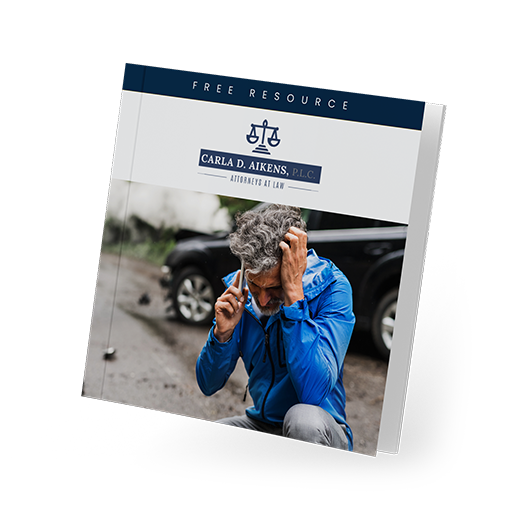
The phone rings. The name on the screen is unfamiliar, but the tone once you answer is polished, professional, and oddly reassuring. It is an insurance adjuster calling “just to get some details.” They might sound like they are trying to help, but that is not their role. Their job is not to help you after an accident. It is to protect their company’s payout. And every word you say gives them something to work with.
You Do Not Owe Immediate Answers
You are under no obligation to speak with an insurance adjuster the moment they reach out. In fact, it is almost never in your best interest to do so. If you are contacted directly, whether by phone, email, or even in person, you have every right to delay the conversation. Tell them you will need to speak at another time or inform them they must contact your attorney.
Decline the Recorded Statement
One of the first things an adjuster may request is a recorded statement. Decline. You are not required to provide one. A recorded statement gives the insurer a script they can later dissect, quote, and use to minimize the value of your claim.
Memory is not static. If your account changes, even slightly, because you recall new details later, that can be painted as inconsistency. That inconsistency may become a reason to reduce or reject your claim. Avoid giving them the chance.
Keep It Short, Keep It Factual
If you do choose to speak to an adjuster before consulting legal counsel, keep the discussion extremely limited. Provide only basic identifying details: your name, address, and contact information. Beyond that, say as little as possible.
Do not discuss how the incident happened. Do not estimate damage. Do not describe injuries. Even something as benign as “I feel okay now” can be twisted into evidence that you were not truly hurt. What you leave out may protect you more than anything you say.
Do Not Talk About Money
An early settlement offer may feel like relief. That is exactly the point. Quick offers are designed to seem generous, but they rarely account for future medical care, lost income, or long-term consequences.
Once you accept an offer or sign any form of release, you have given up your ability to pursue more compensation, even if the costs continue to climb. Never discuss or accept settlement terms without legal counsel reviewing them first.
Pay Attention to Their Tactics
Language reveals intent. If an adjuster tells you there is no need for a lawyer, that is a signal. If they repeatedly push for a quick resolution or imply the fault lies with you before any thorough investigation, that is another red flag.
Adjusters often say things like “This is the best offer you will get.” That kind of phrasing is meant to box you in. It is not a final answer; it is a negotiation strategy. And it is one designed to work in their favor, not yours.
Protect Yourself with Legal Guidance
Insurance adjusters are trained to limit payouts. Their goal is not fairness. It is efficiency. You deserve an advocate whose role is to look out for your interests, not theirs.
Even a single consultation with an attorney can help you identify which steps are safe and which could cost you later. Legal representation provides insulation, Protecting you from pressure, delay tactics, and missteps that could undermine your claim.
If you have been contacted by an insurance adjuster, you should speak with an attorney before taking further action. Carla D. Aikens, P.L.C. can help you protect your rights and your future. Call (844) 835-2993 today.

Carla D. Aikens, P.L.C.