Every April, the roads get louder—not with traffic, but with reminders. Phones down. Eyes up. Pay attention. Distracted Driving Awareness Month is not just a public safety campaign; it is a legal red flag. One glance at a screen can lead to split-second decisions with life-altering consequences. And when that happens, legal accountability moves to the forefront.
Driving while distracted is more than a traffic violation. It becomes evidence. It becomes argument. And for injured parties, it becomes leverage—or a liability.
The Legal Weight of Distraction
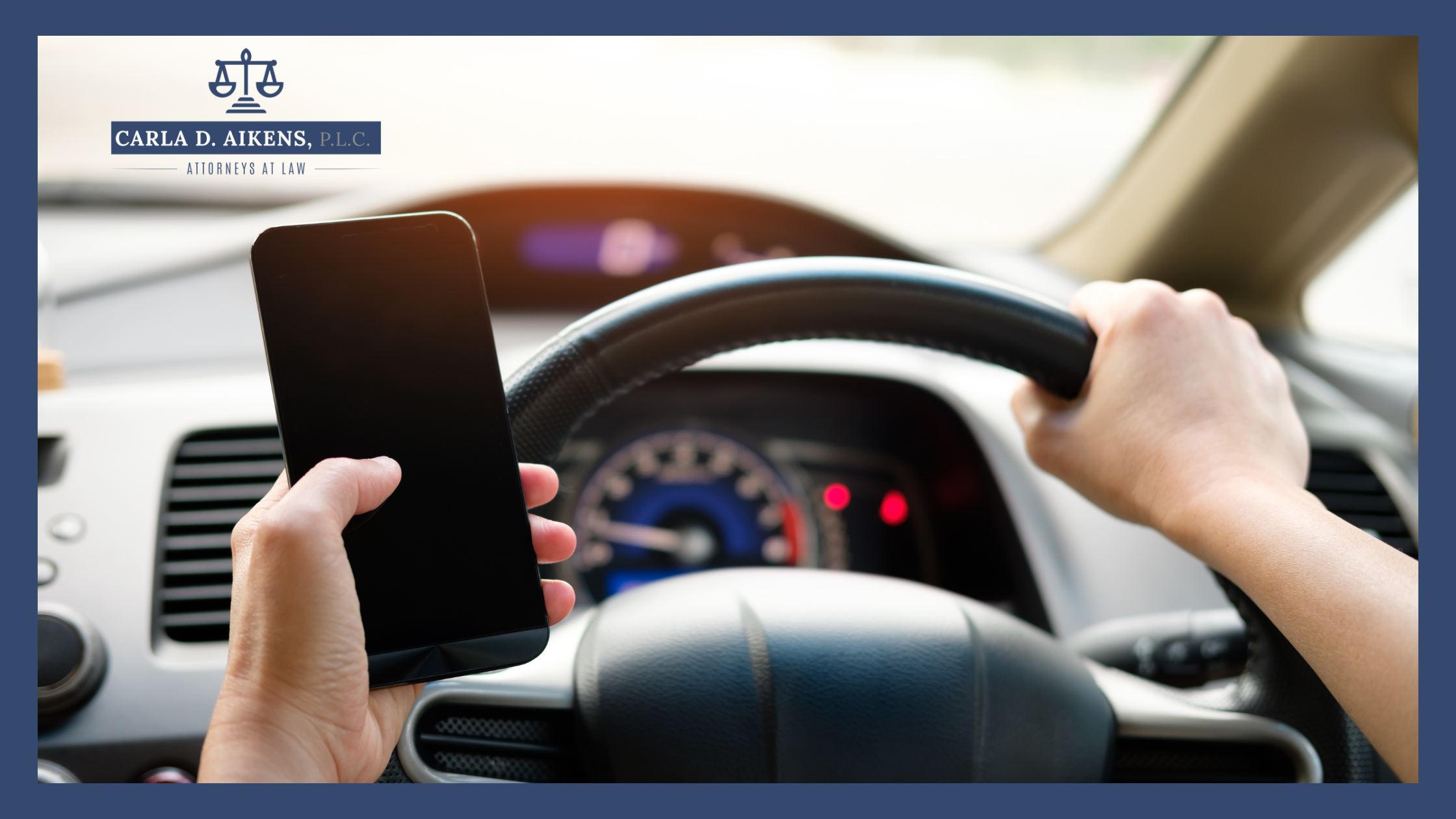
When a personal injury claim arises from a car accident, negligence is the engine driving the case. Distraction behind the wheel—whether it involves texting, scrolling, adjusting GPS, or eating—is a form of negligence that can shift the outcome of a claim significantly. Courts and insurance companies look closely at behavior. If the other driver was distracted, that behavior could serve as the cornerstone of your case.
However, the legal system does not work in absolutes. Michigan follows modified comparative fault rules, meaning blame can be divided between parties. If both drivers were distracted, each may carry a percentage of the fault. That percentage directly impacts the amount of compensation a claimant receives. For example, a person deemed 20 percent at fault would see their potential compensation reduced by that same percentage. However, if a driver is over 50% liable, they cannot claim any compensation.
Strengthening a Distracted Driving Claim
After a crash, timing and documentation matter. First, call the police and report your suspicions. If you saw the other driver using their phone, say so. Officers often record this information in official reports.
Medical attention should come next. Even if injuries seem minor, seeking immediate care creates a clear medical record. Insurance adjusters and courts rely heavily on that early documentation.
At the scene, collect visual evidence. Photos of vehicle damage, skid marks, traffic signals, and even weather conditions help recreate the moments before the crash. Eyewitness statements, especially those confirming the other driver’s distraction, carry substantial legal weight.
In more serious cases, cell phone records may be obtained through legal channels. These records can confirm whether a driver was texting or on a call at the time of the crash. Video from nearby security or traffic cameras may also show erratic driving behavior before impact.
Finally, remain silent on social media. Insurance companies review posts, comments, and pictures for any reason to reduce or deny a claim. Sharing anything related to your accident, injuries, or recovery can backfire—sometimes decisively.
April Is More Than Awareness—It Is a Legal Wake-Up Call
Distracted Driving Awareness Month is not just about prevention. It shines a spotlight on how these behaviors translate into legal outcomes. Increased enforcement means more citations, and more citations mean stronger evidence in court. In cities like Detroit, Grand Rapids, and Lansing, where road conditions and congestion intensify the risk, attention matters.
Insurance companies, too, are paying attention. They are refining how they assess risk, especially in distracted driving claims. That scrutiny makes it even more important to document everything clearly and act promptly.
If you have been injured in an accident involving a distracted driver, legal strategy starts with evidence. Carla D. Aikens, P.L.C. has the tools to pursue your claim aggressively and efficiently. Call (844) 835-2993 to schedule a consultation and protect your rights.

Carla D. Aikens, P.L.C.